Many of standard sizes are available for immediate delivery. Our tooling portfolio is constantly changing. If a size and shape you require is not available, we will be pleased to custom manufacture and export it for you immediately. Sealant is that it can be applied to nearly any material, and once the seal dries, it typically can be peeled off quite easily without doing damage to most surfaces. This can also be considered a disadvantage, as sealants that come off easily are not usually suitable for projects that require a heavy-duty seal. Additionally, while rubber sealers can protect against water damage and corrosion, they are usually compromised by toxic chemicals and extremely high temperatures. Thus, they typically are not used to connect or seal materials that would be exposed to such dangers. Many types of rubber sealant also act as an adhesive, both binding materials and protecting them. For example, a natural rubber sealant can bind glass, paper, wood, plastic, rubber, steel, iron, and fabric. This kind of rubber sealant usually is great for connecting materials, even in water, as long as they do not have to withstand much weight or pressure. While this kind can protect particularly well against water damage and corrosion, it should not typically be applied to materials that will be exposed to the outdoors or harsh conditions.


1/5
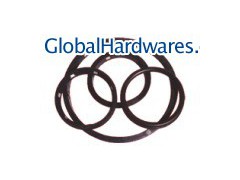
FKM, NBR, EPDM PTFE Polyurethane O-ring
2014-03-04 12:273540询价
| 价格 | 面议 |
| 发货 | China(Mainland)付款后3天内 |
| 该产品库存不足 |
产品详情
点赞 0
举报
收藏 0
联系方式