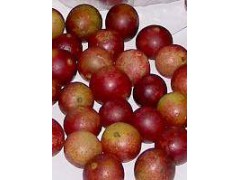
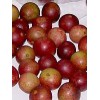
| CAMU CAMU EXTRACT POWDER 8% Vitamin C CAMU CAMU EXTRACT BOTTLE 60 CAP. 100 MG. CAMU-CAMU Camu-camu is a low-growing shrub found throughout the Amazon rainforest, mainly in swampy or flooded areas. It grows to a height of about 2-3 m and has large, feathery leaves. It produces round, light orange-colored fruits about the size of lemons, which contain a significant amount of vitamin C. Its high vitamin C content has created a demand for camu-camu fruit in the natural products market. TRIBAL AND HERBAL MEDICINE USES Camu-camu has never been documented as a traditional herbal remedy for any condition in the Amazon region. In fact, it was not widely eaten as a fruit by the indigenous people, due to its sour, acidic taste. In recent years, the fruits have become popular in Iquitos, Peru, where they are made into drinks and ice creams. PLANT CHEMICALS Camu-camu fruit has the highest recorded amount of natural vitamin C known on the planet. Oranges provide 500-4,000 ppm vitamin C, or ascorbic acid; acerola has tested in the range of 16,000 to 172,000 ppm. Camu-camu provides up to 500,000 ppm, or about 2 grams of vitamin C per 100 grams of fruit. In comparison to oranges, camu-camu provides thirty times more vitamin C, ten times more iron, three times more niacin, twice as much riboflavin, and 50% more phosphorus. Camu-camu is also a significant source of potassium, providing 711 mg per kg of fruit. It also has a full complement of minerals and amino acids that can aid in the absorption of vitamin C. Alpha-pinene and d-limonene (compounds known as terpenes) predominate as the volatile compounds in this fruit. As with any vitamin C-rich fruit, however, the time between harvesting and consumption is crucial; the fruit may lose up to a quarter of its vitamin C content in less than a month (even if frozen). Even with this loss, camu-camu still has a dramatic edge over its next challenger, acerola, for vitamin C content. In addition to the chemicals mentioned above, camu-camu contains beta-carotene, calcium, leucine, protein, serine, thiamin, and valine. Optional Information |